
Static Residential Proxy Guide for Beginners
In the digital age, maintaining privacy and accessing restricted content online has become increasingly important. One of the tools that help achieve this is a static residential proxy. For beginners venturing into the world of proxies, understanding what static residential proxies are and how they work is essential.
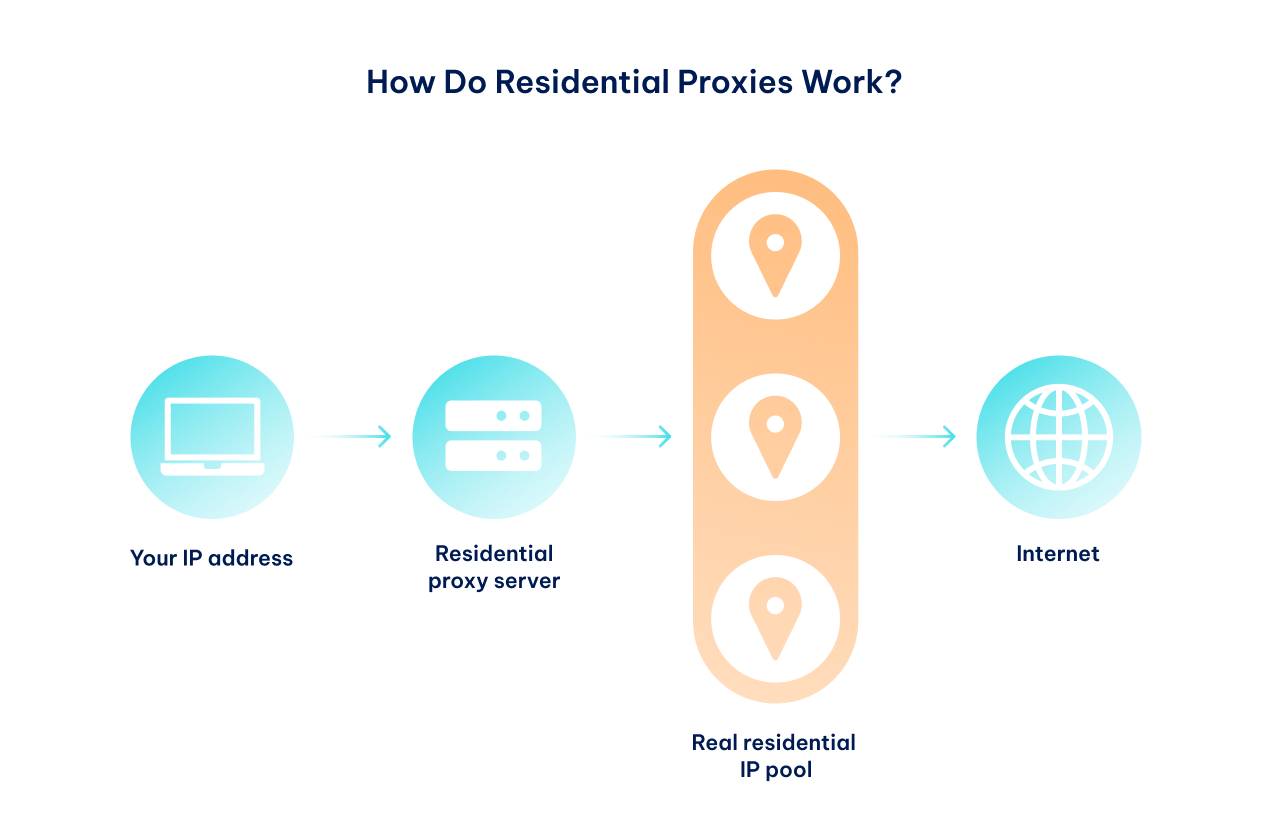
A static residential proxy is an IP address assigned to a physical device by an Internet Service Provider (ISP) that remains constant over time. Unlike dynamic IPs, which change periodically, static IPs provide consistency and reliability in online activities. These proxies route your internet traffic through real residential devices located in various geographical locations, making them appear as genuine users rather than data centers or servers. This characteristic makes static residential proxies highly valuable for tasks requiring anonymity and trustworthiness.
One of the primary benefits of using a static residential proxy is enhanced security and privacy. Since these proxies use legitimate ISP-assigned IP addresses, websites are less likely to block or flag them as suspicious compared to data center proxies. This feature is particularly useful for web scraping, accessing geo-restricted content, managing multiple social media accounts, or conducting market research without revealing your actual location or identity.
For beginners looking to use static residential proxies effectively, it’s important to choose a reliable provider offering high-quality IP addresses with minimal downtime. Many providers offer pools of thousands of residential IPs worldwide; however, selecting one with good customer support and transparent policies can save time and frustration in the long run.
Setting up a static residential proxy typically involves configuring your browser or software application to route traffic through the provided proxy server details-usually an IP address combined with port number authentication credentials such as username and password. Most providers supply easy-to-follow instructions tailored for different platforms like Windows, macOS, Android, or iOS.
When using these proxies responsibly, it’s crucial not to engage in illegal activities or violate terms of service agreements on websites you visit. Ethical usage ensures continued access without risking bans or legal consequences.
In summary, static residential proxies offer beginners a powerful way to browse securely while appearing as legitimate users from specific locations globally. By understanding their function and choosing trustworthy services coupled with proper setup techniques, users can unlock numerous online opportunities safely and efficiently. As with any technology involving anonymity tools on the internet today, staying informed about best practices will maximize benefits while minimizing risks associated with misuse or poor configurations.